Tennessee Riverkeeper November Newsletter Recap
Jeremy Mattingly Jeremy Mattingly

Tennessee Riverkeeper November Newsletter Recap

Tennessee Riverkeeper's November newsletter brings major news on the "Dirt Mountain" illegal dump case—Metro Nashville Codes just issued a stop work order after a jury ruled it was operating as an unpermitted landfill. The organization filed two new pollution cases this month (Springfield and Luttrell) and now has 14 active lawsuits on their docket. Mark Martin and David Whiteside represented Tennessee Riverkeeper at the annual Waterkeeper Conference in Pittsburgh, sharing expertise on everything from PFAS to community organizing. With nearly 50,000 supporters across their social media channels and continued settlements being reached with polluting cities, Tennessee Riverkeeper is heading into the giving season asking for support to make 2026 another year of holding polluters accountable.

Read More
Tennessee Riverkeeper October Newsletter Recap
Jeremy Mattingly Jeremy Mattingly

Tennessee Riverkeeper October Newsletter Recap

Tennessee Riverkeeper's October newsletter shows they're not slowing down—they just scored a major legal victory forcing the EPA to reconsider outdated pollution standards, and they're managing 13 active cases against polluters across Tennessee and Alabama. Several settlements have been reached, including Lebanon finally fixing their landfill discharge problem and Monterey building a new sewage treatment plant. Meanwhile, they're looking for volunteers to help with their growing outreach program as they celebrate 15 years of protecting drinking water for over 6.3 million people across the South. From fighting illegal dump sites to tackling single-use plastic pollution with the Orion Amphitheater, Tennessee Riverkeeper continues holding polluters accountable.

Read More
Check Out Our Summer Newsletter!
Jeremy Mattingly Jeremy Mattingly

Check Out Our Summer Newsletter!

  • A federal court win on pollution standards, 9,500 lbs of trash removed, and fresh volunteer energy—see what moved the needle this summer. Read the recap →

  • Legal action, big cleanups in Huntsville & Nashville, and growing outreach at The Orion Amphitheater—here’s August at a glance. Read more →

  • Stronger protections for our rivers plus thousands of pounds of litter removed. Catch the highlights and how to get involved. Read more →

  • From a landmark court decision to hands-on river cleanups, this Summer Newsletter covers the wins and what’s next. Read the recap →

  • Cleaner water, less plastic, more people pitching in—see the August highlights in one quick read. Read more →

Read More
TENNESSEE RIVERKEEPER CLEANS UP APPROXIMATELY 2,023 POUNDS OF TRASH IN HUNTSVILLE
Jeremy Mattingly Jeremy Mattingly

TENNESSEE RIVERKEEPER CLEANS UP APPROXIMATELY 2,023 POUNDS OF TRASH IN HUNTSVILLE

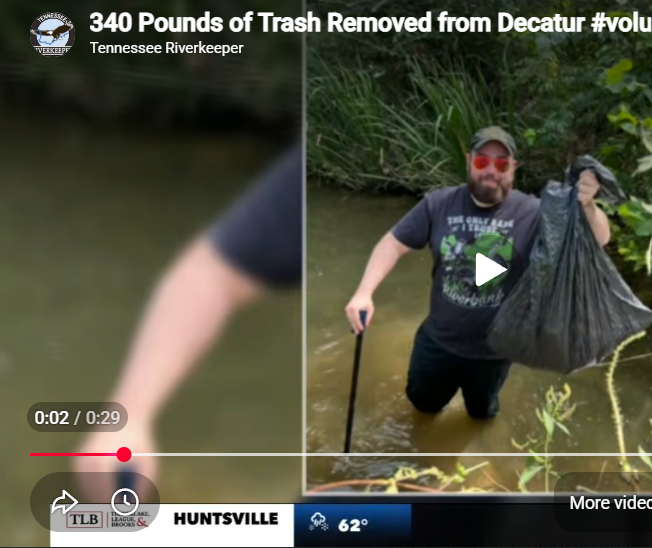
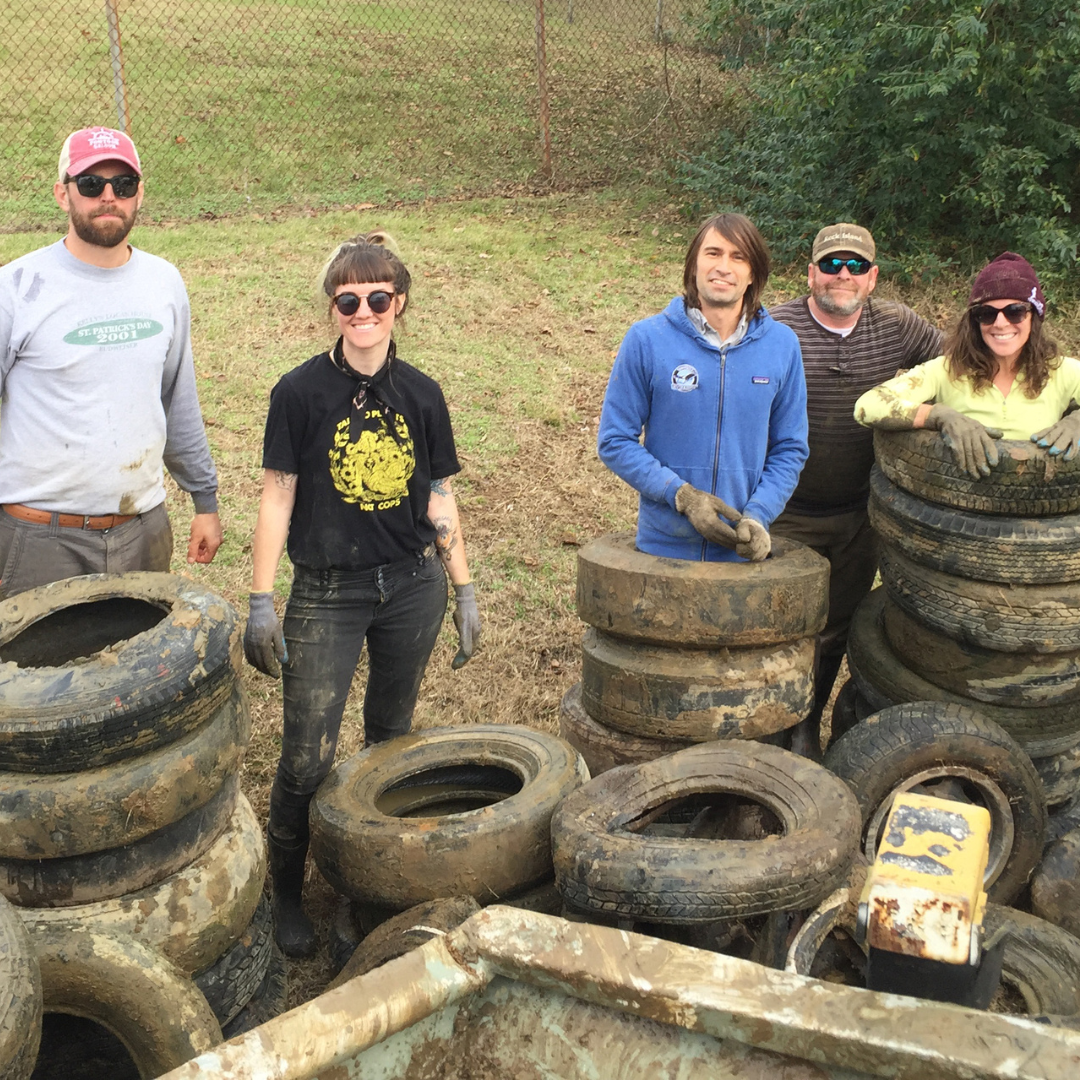
Tennessee Riverkeeper, Model Environment, and The Orion Amphitheater recently removed more than 2,023 pounds of trash from Pinhook Creek in downtown Huntsville on Saturday, August 2, 2025 in honor of Orion Amphitheater’s 100th concert this weekend.

In 2025, Tennessee Riverkeeper has removed approximately 9,500 pounds of trash from waterways.

Pinhook Creek and Huntsville Spring Branch are tributaries of the Tennessee River. 18 people attended and removed 61 bags of trash, as well as large debris including 5 shopping carts, tires, and miscellaneous scrap metal.

Read More
TERRY WOLAVER MEMORIAL PAGE
Jeremy Mattingly Jeremy Mattingly

TERRY WOLAVER MEMORIAL PAGE

Terry loved fishing, kayaking, hunting and everything outdoors, especially on the Duck River.

Terry Wolaver, age 66, of Lewisburg, Tennessee, passed away in January 2024. A true outdoorsman, Terry loved fishing, kayaking, hunting, and spending time in nature - especially along the Duck River. He and his wife, Brenda, both graduates of Marshall County High School, shared many cherished moments together on the river they loved.

Read more in our post here:

https://tennesseeriver.org/blog/terry-wolaver-memorial-page

Donate in his honor here:

https://tennesseeriverkeeper.networkforgood.com/projects/254935-in-memory-of-terry-wolaver

Read More
Legal Victory Requires EPA to Reconsider Outdated Industrial Water Pollution Standards
Jeremy Mattingly Jeremy Mattingly

Legal Victory Requires EPA to Reconsider Outdated Industrial Water Pollution Standards

Tennessee Riverkeeper and a coalition of environmental groups won a victory in a federal lawsuit against the U.S. Environmental Protection Agency for failing to set limits on harmful chemicals like cyanide, benzene, mercury, and chlorides in the billions of gallons of wastewater pouring out of U.S. industries. The industries include factories that manufacture plastics, fertilizer, pesticides and nonferrous metals, as well as petroleum refineries, inorganic and organic chemical manufacturers. 

Read More
1,700 Pounds in Nashville with a Bald Eagle! 🦅
Jeremy Mattingly Jeremy Mattingly

1,700 Pounds in Nashville with a Bald Eagle! 🦅

May 14, 2025: Tennessee Riverkeeper removed more than 1,700 pounds of aquatic litter from the Cumberland River in West Nashville. A bald eagle flew over the boat at the start of the cleanup. 🦅

On a Wednesday, 16 people attended the cleanup and removed 33 tires and 21 bags of trash, and lots of large debris. Most of the waste removed was tires, plastic bottles, and styrofoam. The organization is already planning the next cleanup on the Cumberland River and needs your support.

Read More
Microplastics Are Invading Our Arteries, and It Could Be Increasing Your Risk of Stroke
Mark Martin Mark Martin

Microplastics Are Invading Our Arteries, and It Could Be Increasing Your Risk of Stroke

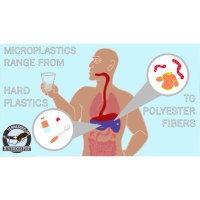
A small study suggests that fatty plaques in the neck’s carotid arteries may contain over 50 times more micronanoplastics, tiny plastic particles, than healthy arteries. These plaques, which can narrow arteries and potentially trigger strokes, appear to trap significant amounts of plastic debris. Micronanoplastics come from degraded plastic waste that contaminates soil and water, entering the human body through food and drink. Researchers note that, currently, there is no effective method to avoid exposure to these particles.

READ MORE: https://scitechdaily.com/microplastics-are-invading-our-arteries-and-it-could-be-increasing-your-risk-of-stroke/

Read More
TENNESSEE RIVERKEEPER CLEANS UP MORE THAN 1,100 POUNDS OF TRASH IN WEST NASHVILLE
Jeremy Mattingly Jeremy Mattingly

TENNESSEE RIVERKEEPER CLEANS UP MORE THAN 1,100 POUNDS OF TRASH IN WEST NASHVILLE

NASHVILLE, TN — Tennessee Riverkeeper, along with Nature and Nurture and The Pontoon Saloon removed more than 1,100 pounds of aquatic litter from the Cumberland River in West Nashville on Sunday, March 9, 2025.

12 people attended the cleanup and removed 17 tires and 24 bags of trash. Most of the waste removed was tires, plastic bottles, and styrofoam. Tennessee Riverkeeper is already planning the next cleanup on the Cumberland and needs volunteers.

“There is no easy solution to plastic pollution. We do know that preventing plastics from entering waterways is an obvious solution and it is easier to remove garbage from the shorelines and shallow water of creeks and rivers.  It is very difficult and inefficient to try to remove litter from deeper water,” said David Whiteside of Tennessee Riverkeeper.

Read More
‘Forever chemicals’: Top 3 ways to lower your exposure by Environmental Working Group
Jeremy Mattingly Jeremy Mattingly

‘Forever chemicals’: Top 3 ways to lower your exposure by Environmental Working Group

PFAS, commonly known as "forever chemicals," are widespread and have been found in the blood of 98% of Americans. These toxic substances are linked to serious health risks, including cancer, immune system suppression, high cholesterol, and reproductive issues. Because PFAS are used in countless consumer and industrial products, exposure occurs through contaminated drinking water, food, cookware, and even clothing. While these chemicals persist in the body for years, reducing exposure can help lower their levels over time.

Read More
EESI features the Tennessee River in their Resilient and Healthy River Communities Series
Jeremy Mattingly Jeremy Mattingly

EESI features the Tennessee River in their Resilient and Healthy River Communities Series

The Tennessee River, one of North America’s most biodiverse waterways, faces serious environmental threats from pollution, microplastics, and PFAS chemicals. In a recent briefing by the Environmental and Energy Study Institute (EESI), experts highlighted the challenges facing the river and the urgent need for better conservation efforts. While federal policies such as the Clean Water Act have helped improve water quality, the river still suffers from contamination caused by industrial runoff, extreme weather events, and insufficient funding for biodiversity conservation. Scientists and conservationists stressed that protecting the river’s unique ecosystem requires enforcing clean water laws, securing better funding, and working closely with local communities to implement sustainable land and water management practices.

Read More
News Channel 9 Reports: Things you may not know about the Tennessee River
Jeremy Mattingly Jeremy Mattingly

News Channel 9 Reports: Things you may not know about the Tennessee River

News Channel 9 explores the rich history and unique features of the Tennessee River, from its origins in East Tennessee to its winding path through seven states. The article covers the river’s role in flood control, hydroelectric power, and its past dangers before TVA dams were built. It also delves into intriguing stories, like Prohibition-era moonshiners and Georgia’s ongoing border dispute over its waters. Read more here.

Read More
A Victory Against Pollution in Lawrenceburg, Tennessee
Jeremy Mattingly Jeremy Mattingly

A Victory Against Pollution in Lawrenceburg, Tennessee

One of our most significant legal victories at Tennessee Riverkeeper was in Lawrenceburg, Tennessee. This lovely town boasts scenic frontage along the beautiful Shoal Creek, but unfortunately, it allowed the creek to become an eyesore due to frequent sewage overflows that went unaddressed.

Read More
HOW PLASTICS ARE POISONING US — WHY FIGHTING PLASTIC POLLUTION MATTERS
Jeremy Mattingly Jeremy Mattingly

HOW PLASTICS ARE POISONING US — WHY FIGHTING PLASTIC POLLUTION MATTERS

By David Whiteside — November 9, 2024

The use and production of single use plastics is increasing rapidly, especially since 2020.

Besides microplastics, there are other dangerous chemicals that we might ingest through plastic including phthalates and bisphenols. We know humans are ingesting microplastics and plastic chemicals at an alarming rate, but we are still only learning and realizing the harm that this does to our bodies.

Read More