
by Barry Sulkin, Scientist for Tennessee Riverkeeper
In late 2018 Tennessee Riverkeeper (TRK) ramped up our involvement in the microplastics (mp) clamor. Plastic straws and single use were the hottest of topics in our circles. Earlier that year, the Tennessee River had been labeled as a highly mp-contaminated river, surpassing the Rhine and Yangtze; the latter of which turned out not to be accurate. More on that later.
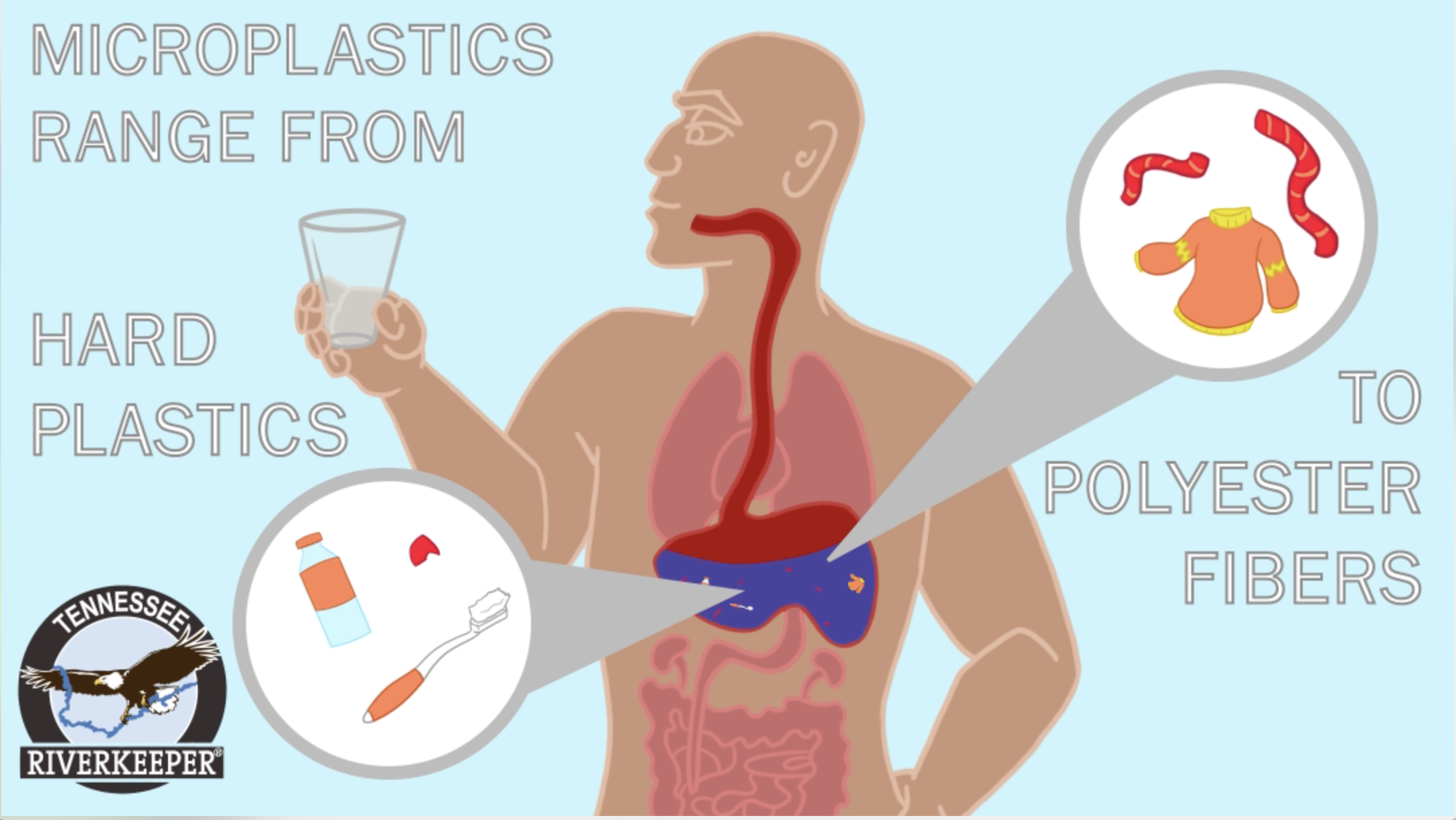
TRK jumped in (figuratively and latterly) and started sampling, testing, researching, and conferencing. We spent much of 2019 and 2020 in the mp mix, and then things ground to a halt. First, a certain virus distracted attention, and plastic straws sank as a priority in the news and elsewhere. Then, after much field work, effort, and expense, we figured out that there was little to no consistency among samplers, labs, and activists. There wasn’t even agreement on what microplastics were.
Some well-intended activists and practitioners – including us – were out taking water samples and sending them off to various lab to do various forms of analysis. And some obtained drag-net samplers to go out in boats and collect samples for visual counting of pieces of “microplastics” to assess and compare bodies of water. The problems were many, including:
Technically you can’t see microplastics – they are microscopic – so visual counting doesn’t work
Not all agreed on size – some said 1 to 5 mm, some said less than 5 mm in length (whatever that means), some said 20 μm in diameter (whatever that means) and on and on…
If a piece of mp breaks in half during analysis, is that one or two?
Some vaporized all plastics in a water sample and reported based on the amount of plastic-related chemical content by type.
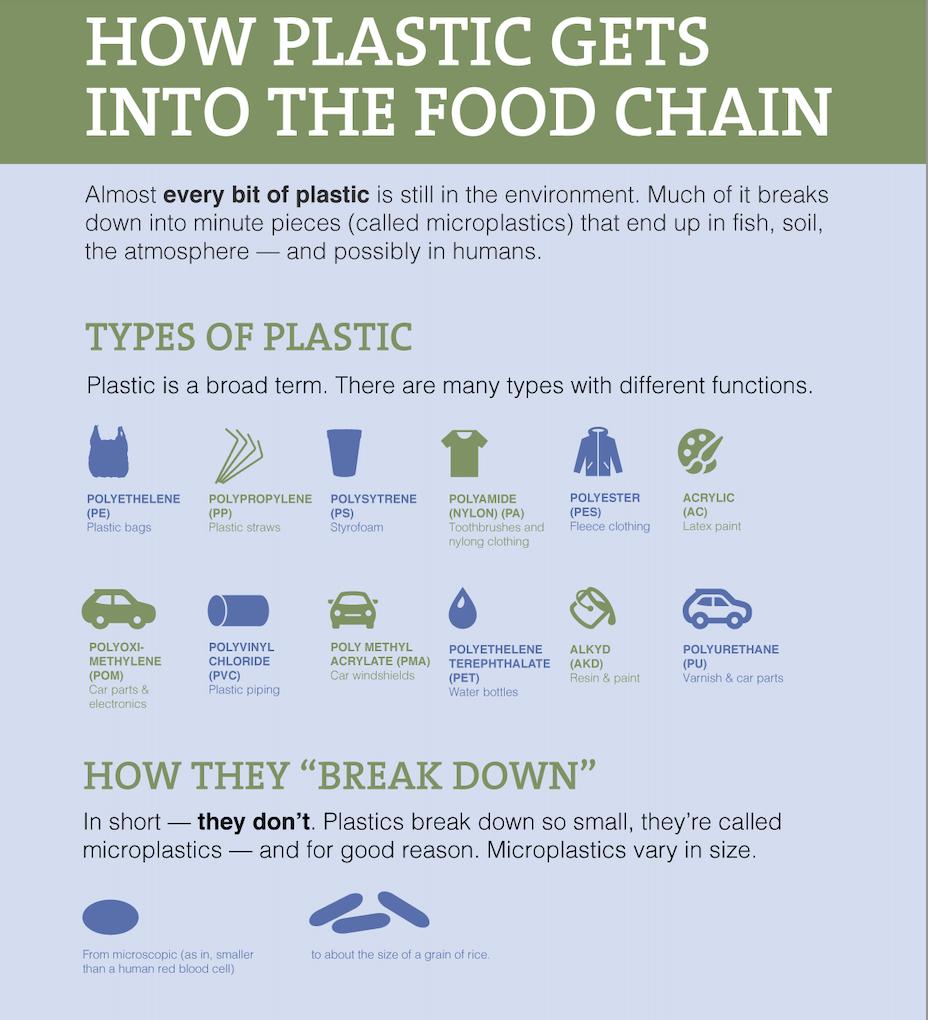
Some sampled the surface of rivers and lakes, while some used pump samplers to sample top to bottom – thus the problem comparing the Tennessee River to the Rhine (same pump sampler) or the Yangtze (not the same).
Drag-net samplers (aka Manta Trawls) were great for visuals and getting people (staff, media, volunteers) involved, but aside the micro-macro thing, it was hard to compare rivers and lakes – miles of dragging, speed of boat, depth, size of river or lake (size matters)…
And sampling in general had inherent problems – top, middle, bottom, coves, shore or main channel, dry conditions or after storm runoff…
Well, you see the problems, and so did we. After months of pricey sampling and lab testing from the Nashville area and research, we realized these problems. Samples from upstream of the city were not cleaner than downstream. Samples from rural, clean streams were not always cleaner than below urban areas. We tried different labs with different methods and got variable, and largely useless results. It was not possible to compare sites or samples or rivers or lakes or days to each other.
After more than a year of effort, it became obvious that this real problem and public health threat needed fixing, but to make progress there first had to be some better consistency. Consistency among regulatory agencies, enviro groups, labs, academics; on things like sampling techniques, lab methods, and definitions. And that began to happen. Universities in the US and Europe dug into the matter, and states like California (of course), and commercial labs took the lead.
We pulled back to wait for the science to catch up, while we resumed (actually, continued) fighting normal pollution; like Sewage and dumps. And things have changed.
In part 2 of this update, we’ll look at some of the progress in addressing the mp beast, in terms of sampling, testing, and regulatory action.